And some much lighter fare
Since the Philadelphia Film Society took over the theaters post COVID, the Festival has been conslidated at the three arthouse theaters owned by them: The Film Center on Chestnut, The East over in Old City, and The Bourse by Independence Hall. I get around everywhere nowadays by biking, and if you go straight down Market to get to the next Indego dock, you will inevitably have to walk by the Weitzman National Museum of American Jewish History where a giant Israel flag is plastered on the facade alongside the text “We Stand With Israel”.
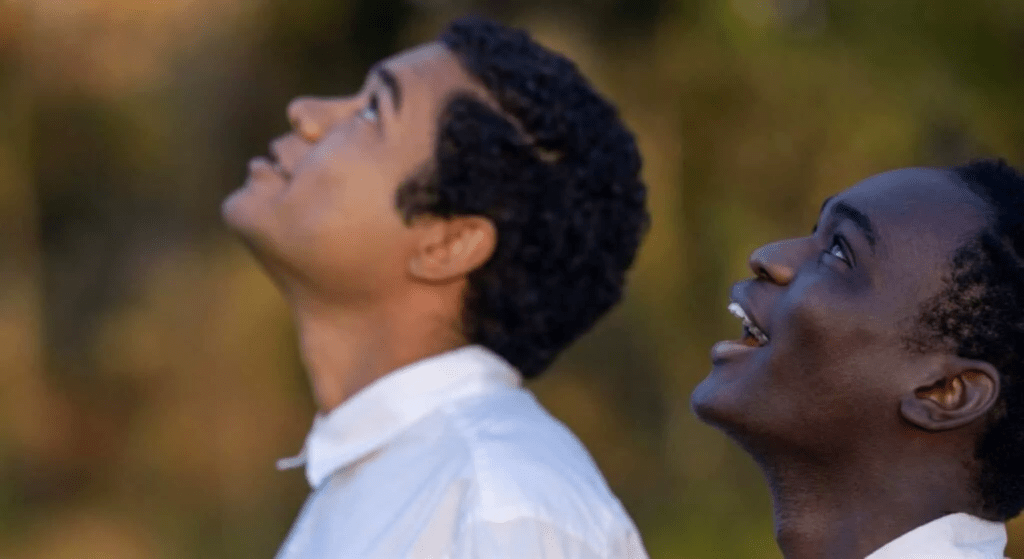
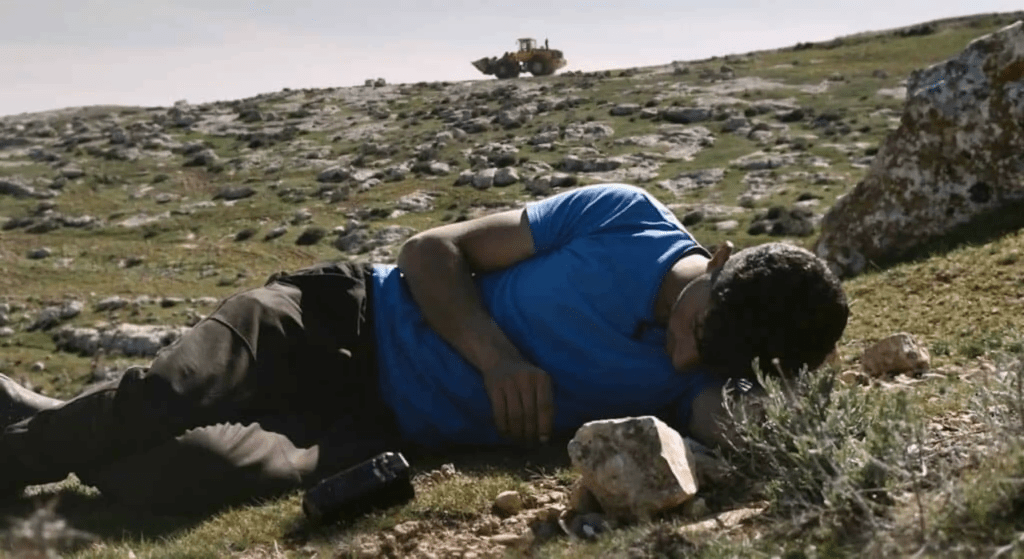
This is the context to which I – and a fairly packed house – watched the documentary No Other Land (Grade: A-), described by festival programmer Michael Lerman as “the most important movie of the fest”. I’m inclined to agree. The film follows a period of 3 years of the annexation (or “forced displacement”, if you wanna get specific) of Masafer Yatta in the West Bank, primarily documented by activist Basel Adra. At the start, he is visited and assisted by Yuval Abraham, an Israeli journalist staunchly opposed to the ongoing occupation, to the point that he refused to join the IDF once he learned he would be put into intelligence because of his knowledge of Arabic. Yuval is not simply a means to plead for unity; in fact, several of the subjects engage in debate over the cruelty his country has been enacting, while Basel makes a point of emphasizing the relative freedom he has to move with the land.
And the things Israel enacts are harrowing. No Other Land isn’t so much concerned about the war, so much as war is simply a part of the process of occupation (and that their land has been assigned an IDF training facility). Instead, it’s near singular focus is capturing the vibrancy of life the IDF is attempting to stamp out through wanton acts of spiteful cruelty. How else can you describe the bulldozing of a school, of a chicken coop? Seeing it in front of you eyes – and often enacted by people who are not even from the region – while a man on Israeli TV argues that they had it coming summarizes what it’s felt like to be online this past year. In a festival where one movie was sponsored by a Zionist organization – hell, in a city that mostly leans Zionist with a governor who served in the IDF – it’s bracing just to see the honest fight at stake (and a little bit heartwarming that so much of their tactics resemble BLM protests down to a “Palestinian Lives Matter” sign).
My one reservation mainly concerns the form. Although it features a lot of handheld and phone footage (people are constantly being filmed on both sides), a lot of it consists of scenes between Basel and Yuval talking, with each other, and with people around the village. These are often beautifully shot, but it does occaisinoally make one ponder “who’s filming all this?”, especially when they can’t possibly have scripted a lot of it. It’s not that I think they’re mainuplating per say; perhaps it would’ve served it better to be more a collection of footage, or at least acknowledge the fact of its own making rather than at times resembling a beautiful drama. Thankfully, they do hold back on the more extreme footage that’s been plastered all over social media (though there’s a couple moments where it feels like it could get ugly), a carefully presented and edited argument to one’s humanity. A man outside enthusiastically proclaimed that “the people who need to see this aren’t going to see it”. Unfortunately, given that no US – let alone Western – distributor appears to have picked it up, I think he’s right. I desperately hope that changes. More than the importance, this is an achievement in filmmaking itself that deserves to be seen by everyone and if it changes some minds, even better.
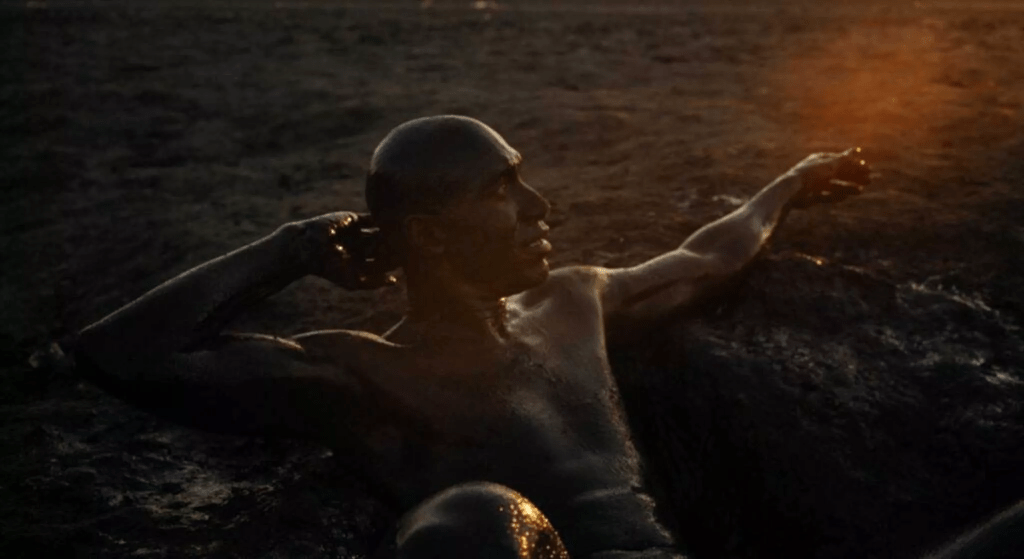
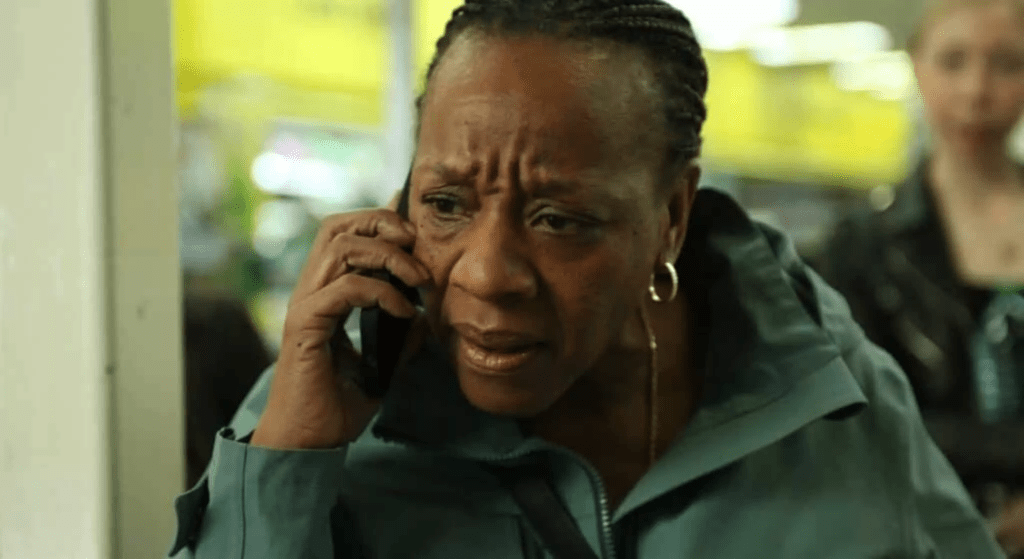
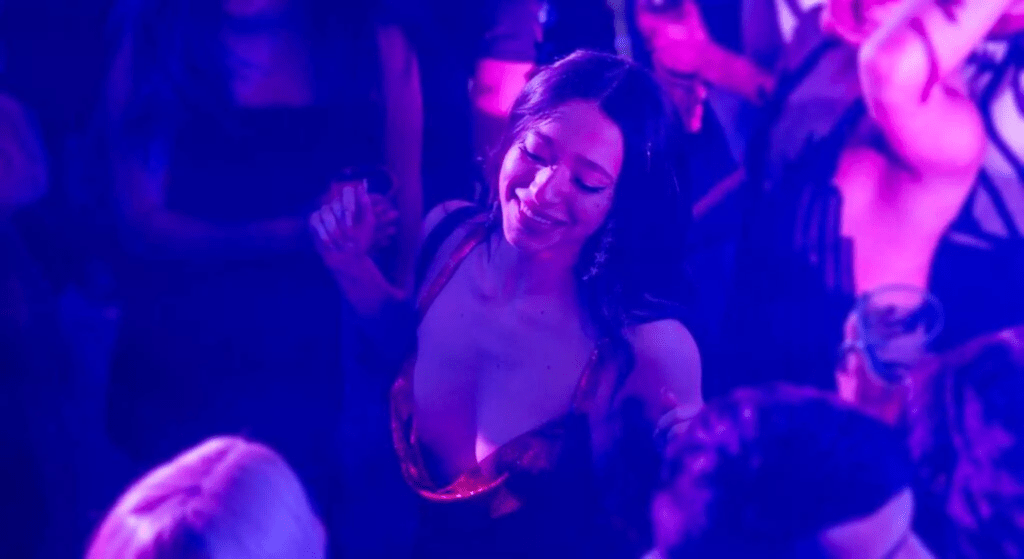
As you can tell from these posts and past coverage, I’m a pretty self-selecting audience for a lot of movies. Generally my rule has been that unless I’m getting paid to cover something or there’s a substantial critical backing, I usually avoid things that look bad or not for me and thus have tended to skew pretty positive. Occasionally that does backfire; it can’t all be winners. This long-winded preamble is my way of saying I did not care for The Black Sea (Grade: C-) very much, and at least among my friends I seem to be a minority. It’s not like it couldn’t be my bag: I was down to follow the story of a black man (co-director and writer Derrick B. Harden) traveling to Bulgaria to meet an older woman only to be sidelined when she dies. Buried within is somethign that I could love quite a lot, especially in the tenative romance that forms between him and travel agent Ina (Irmena Chichikova).
Unfortunately I checked out rather early, when he gets his bag and passport stolen and appears to talk to one singularly unhelpful cop before giving up completely. It’s not that I victim-blame nor do I necessarily expect it to show us everything in backed up fashion, but that there’s a mechanical quality to the plot. Equally unhelpful is the way it spends time bringing him from one dead job to another, leaning on Ugly Americanisms and poorer comedy to the point that it seems lost until the last act. I overheard from someone who was at the Q&A with Harden and co-director Crystal Moselle (of The Wolfpack and Skate Kitchen) that film was apparently shot in 16 days and heavily improvised. I could see it. The Black Sea is not by any means unwatchable so much as unfocused to the point that it gets grating. If only they’d leaned into the rom-com aspect earlier.
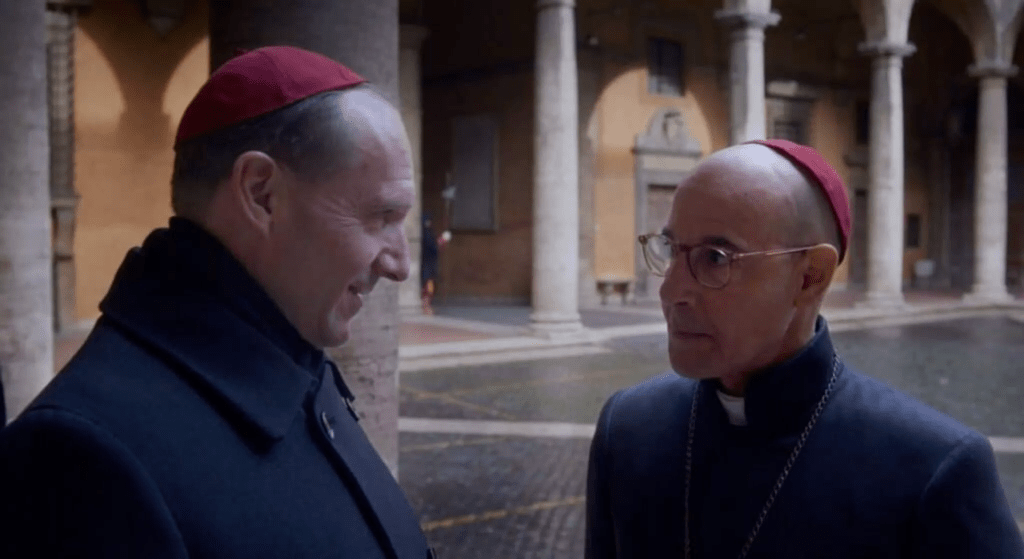
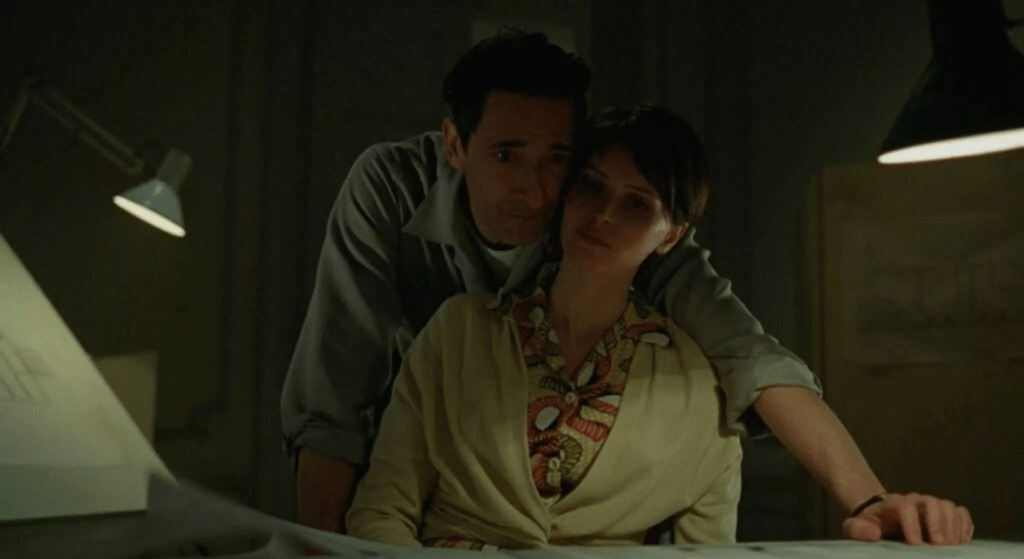
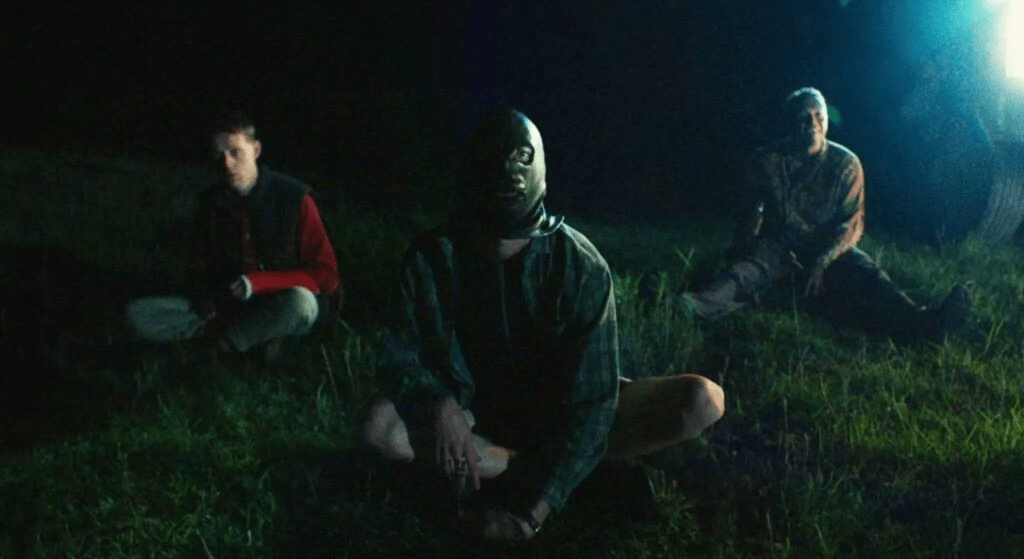
Further on the topic of self-selection are the Centerpieces. This year I’m seeing quite a few thanks to my all-access badge meaning I don’t have to buy separate tickets and thus am free to drop into the stuff usually programmed for big crowds of retirees and the Rittenhouse set. That was how I ended up at Conclave (Grade: B) and honestly, I’m kinda glad I did. Prime Oscar-bait in that it’s a perfectly well-made thriller of the sort that used to be a dime-a-dozen, but also Hot Nonsense in the best way possible. You don’t need to know much other than Ralph Fiennes, Stanley Tucci, and John Lithgow are cardinals voting for a pope while Isabella Rossellini scurries along in the background. All Quiet On The Western Front director Edward Berger seems to know this is all not that serious, his portentous music and ominous framing staying just on the right side of being eye-rolly while loading it with lots of unexpected humor. He gets that deep down these are all Messy Bitches Who Love Drama and it sidelines pretty much any attempt at deeper themes or examinations of the Catholic Church beyond “boy we got some cleaning to do, huh?” and “can’t we all just get along?” A bonkers third act reveal had me and my friends turning to each other with full Pogface, yelling incredulously. That’s the best way to approach it, a silly airport thriller filled with cassocks and Latin.

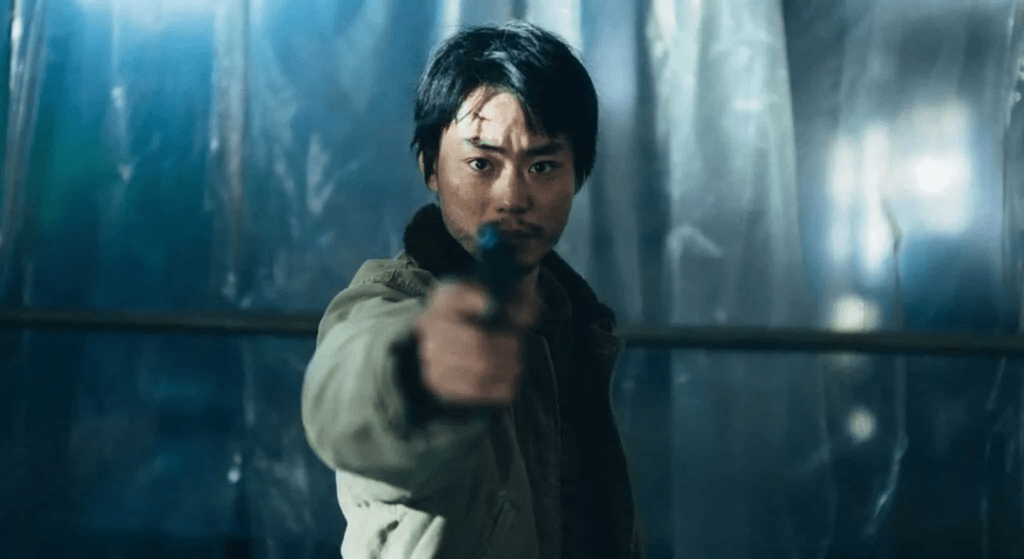
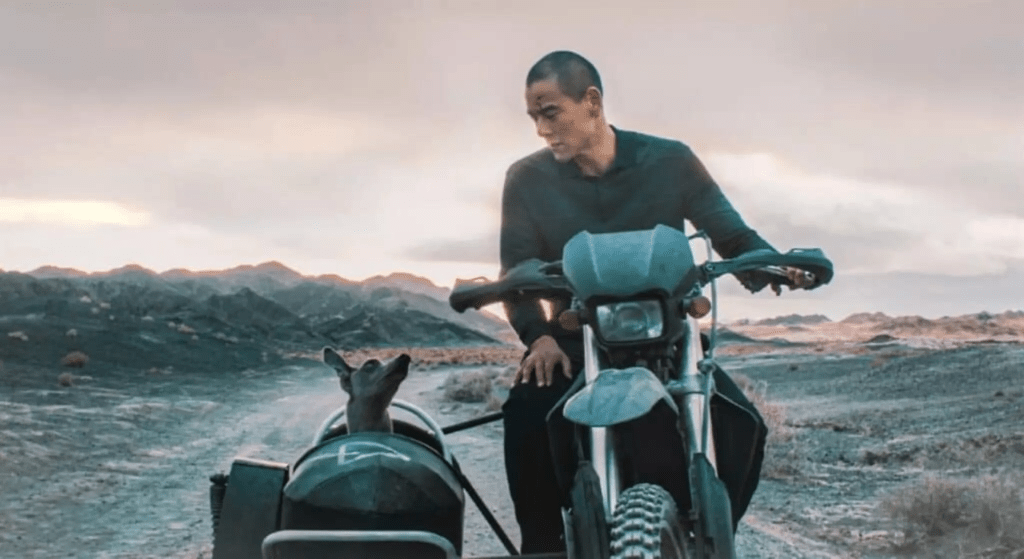
One of my favorite things about film festival has always been the programming of lower budget or obscurer genre titles. Many of my favorite discoveries over the years have come from the After Hours or Graveyard Shift sections: Red Rooms, Cam, Knife + Heart. Dead Talents Society (Grade: A-) may not have as much substance as those, but it’s a blast nonetheless. Listen, I’m only a man. You make an extended Ghost in The Shell (complete with triangle!) joke or put not one, but several characters in the Mina get-up from Perfect Blue, I’m gonna laugh very hard. Thankfully, I was on the movie’s wavelength pretty much the entire time. John Hsu’s tale of a mediocre newbie ghost (Gingle Wang) recruited by a fading diva (Sandrine Pinna, mothering) and her manager (Chen Bolin) to become the next greatest scarer or literally fade away is pitched at the level of a cartoon, full of sound-effects and wacky violence. In between, he lovingly skewers decades of East Asian horror tropes, including a finale that’s essentially a slapstick Sadako vs. Kayako along with a bit of good ole “the magic of movie making”. Yeah, there’s mushy found family stuff, and it may not particularly care about the world-building beyond “hey, isn’t fame and social media arduous?” But damned if it doesn’t have a big ole pumping heart. The power of friendship making you feel seen is corny but who cares when you’re too busy rooting for the heroine to throw herself off the roof of a building?
Tomorrow: Pedro Almodóvar’s English-languge debut, a firefighter’s hellish night, and I continue the struggle to keep the reading time under 10 minutes.